I pre-ordered the Nothing Phone 3 in White (12GB/256GB, $649) through Nothing's website. The outer packaging is a natural kraft paper with a pull-tab seal — the recycled material has a texture that's noticeably different from bleached cardboard, almost like a cereal box stock but thicker and stiffer.
Everything in the Box
- Nothing Phone 3 — wrapped in a Nothing-branded tissue paper rather than a plastic film. Nice touch: the tissue is recycled, and the phone sits face-down so the first thing you see is the iconic transparent back
- USB-C to USB-C cable (1.2m) — flat cable profile, matte finish, woven exterior. One of the better-feeling cables included with any phone in this price range
- Getting Started card — both sides printed, covers Glyph setup, Nothing OS first-use, and points to a QR for extended documentation
- SIM ejector tool
No power adapter. No earphones. Nothing was never going to include earphones — that would contradict their minimalist brand philosophy — but the missing charger is notable at $649 when some competitors include one.
The Packaging in Detail
Nothing's packaging is worth spending time on because it's genuinely unusual in the phone market. The box doesn't have a magnetic seal or a pull-tab designed for drama — it opens by removing a paper band and lifting the lid, which requires two hands. The first time you do it, it feels slightly inconvenient. On reflection, it's because they didn't add a feature that exists only to make unboxing more photogenic.
The tissue paper wrapping for the phone is biodegradable. Nothing prints their CO2 footprint for the device on a card in the box: 61kg CO2e for the Phone 3 vs. 76kg CO2e for the Phone 2. Whether those numbers are fully audited and representative is a question for another article, but they're stated publicly, which is more than most manufacturers do.
First Look: The Transparent Back and Glyph Interface
The Phone 3's transparent back reveals the internal layout more prominently than previous Nothing phones — the main board, battery outline, and thermal paste on the processor are visible through the glass. The Glyph Interface has been redesigned: the Phone 3 uses a new "Essential LED" configuration with three distinct lighting zones instead of the Phone 2's more fragmented strip layout.
The new zones are named and visible through the transparent back: a top bar, a circular charging ring around the wireless coil, and a bottom strip. In use, the zones can show different information — time, charging status, notification types — which is a functional improvement over the Phone 2's mostly cosmetic lighting.
Hardware Feel in Hand
The Phone 3 is 6.55 inches, weighs 194g, and is noticeably lighter than the Galaxy S26 Ultra I handled last week. The aluminum frame has chamfered edges that make it comfortable to hold — more comfortable, actually, than the flat-sided titanium frame on the iPhone 17 Pro. The back glass has a subtle matte etching that reduces fingerprints better than most glossy-backed phones.
The USB-C port has a satisfying click when the cable seats. The side buttons are metal and have a precise, short travel. The volume rocker is on the left; the power button (with fingerprint sensor) is on the right. The Glyph toggle switch — a hardware switch unique to Nothing phones that lets you enable/disable Glyph lighting without going into settings — is on the right edge above the power button.
Nothing OS First Boot
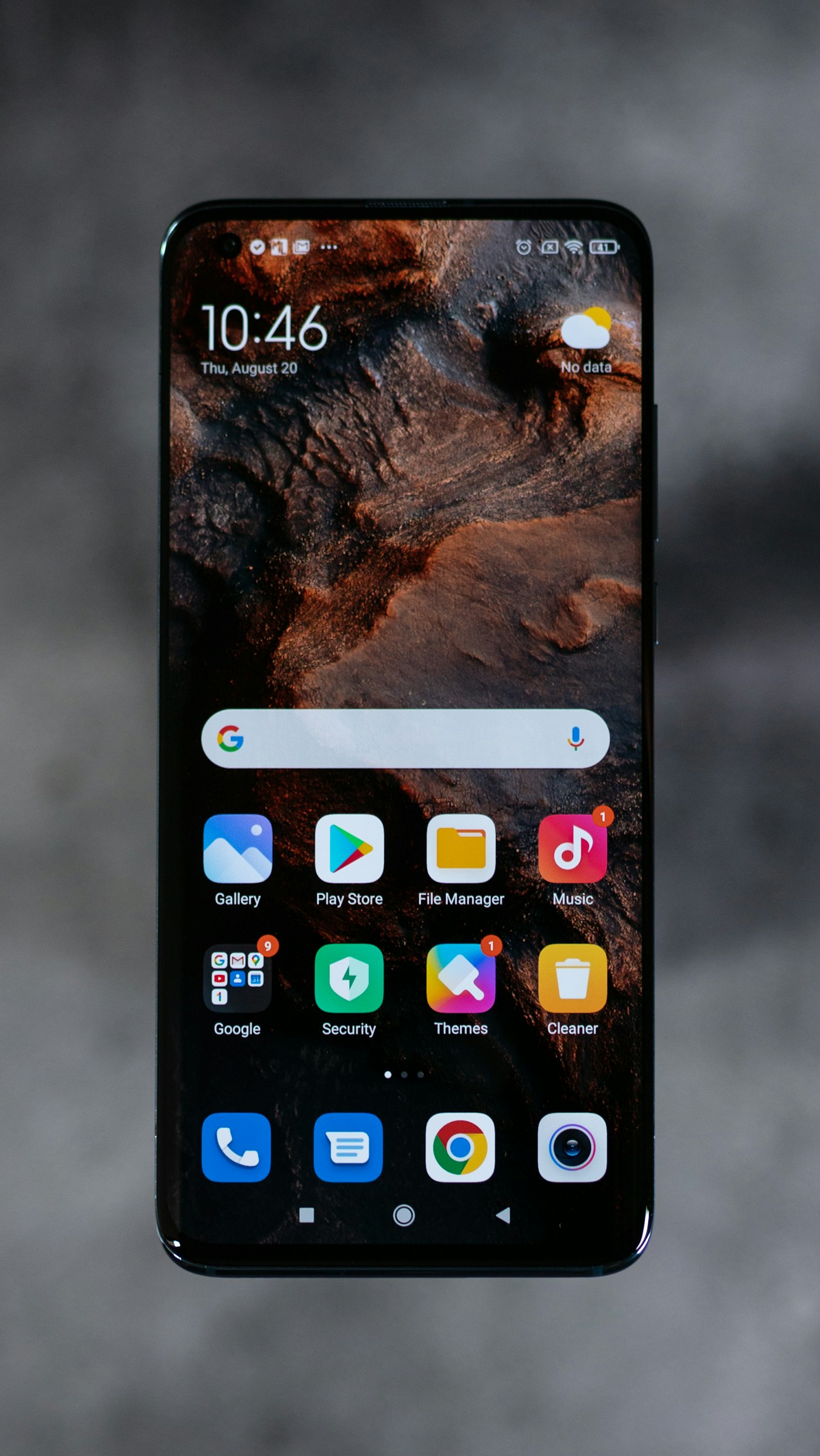
Nothing OS 3.0 is based on Android 16 with a minimal UI that removes most of the visual noise found in Samsung or Google's stock Android. Font is Nothing's own typeface — mono-inspired, slightly compressed, instantly recognizable. The home screen by default has a clean clock widget and no bloatware beyond the standard Google apps. No manufacturer apps pre-installed except Nothing's own (Glyph developer tools, earbuds app if you have Ear 2).
Setup was the fastest phone setup I've timed recently: 4 minutes 40 seconds from box to home screen without transferring any data. The setup flow is short — Nothing doesn't try to sell you services during the process. If you're transferring from another Android phone via the standard Android migration tool, add 15-25 minutes depending on backup size.
The $649 Context
Nothing Phone 3 at $649 competes with the Samsung Galaxy A56 ($549), the Google Pixel 9a ($599), and the iPhone SE 4 ($499). The Nothing's advantages are the transparent design, the Glyph Interface's utility for notification management, and the cleaner OS. The disadvantage is that Nothing is a smaller company with a shorter track record for long-term software support — though they've promised four years of Android updates for the Phone 3.
The Box Verdict
Nothing delivers one of the most thoughtful unboxing experiences in the mid-range smartphone market. The eco-packaging is genuine rather than performative, the cable quality is excellent, and seeing the transparent back first when you lift the phone out of the tissue is a designed moment that works. The missing charger is the only practical complaint. Full review after two weeks of daily use.
Disclosure: Pre-ordered at retail through Nothing's website. No affiliate relationships for this article.