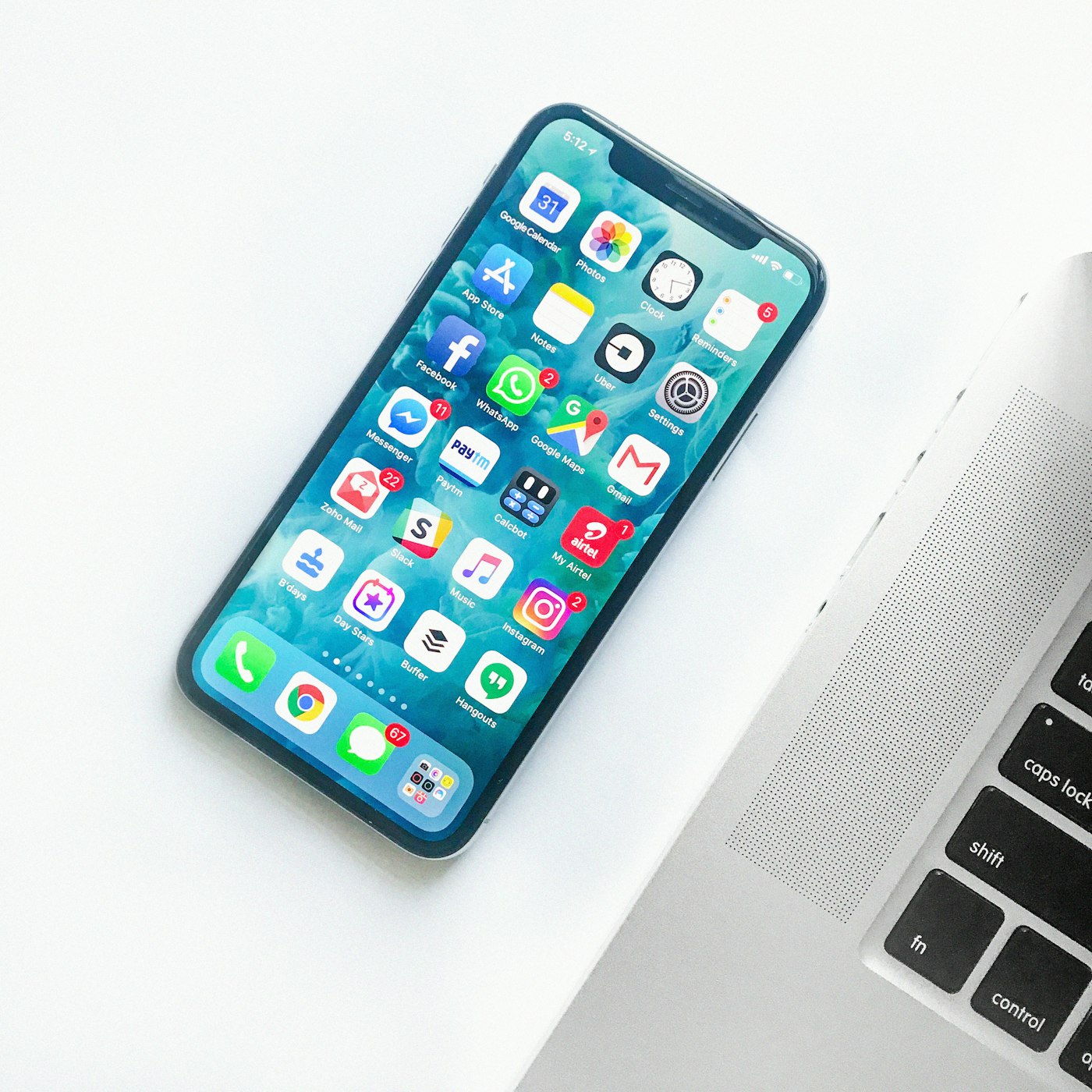
I ordered the iPhone 17 Pro in Natural Titanium (256GB, $1,099) through Apple.com at launch. The package arrived in Apple's standard brown shipping box, which contains the product box inside a thin paper sleeve. The product box itself has a matte finish with an embossed Apple logo and the word "iPhone" in a typeface that's gotten slightly smaller year over year.
Everything in the Box
Opening from the top (the box uses a magnetic seal now, no pull tab), here's what you find:
- iPhone 17 Pro — wrapped in a thin film with a pull tab at the bottom, the phone rests face-up in a formed cardboard tray
- USB-C to USB-C cable (1 meter) — braided this year, finally. Previous iPhones shipped with an unbearably thin rubber cable that kinked within weeks
- Documentation pack — a small folded card with setup QR code, SIM ejector tool, and regulatory information cards wrapped in a paper band
- Apple logo sticker — still here, still two of them
That's it. No power adapter (same as 2020 onward). No EarPods (removed in 2021). No screen cloth (that was a one-time thing with the Pro Max in 2021). No case.
What's Different From Last Year
The braided cable is the meaningful change. The iPhone 16 Pro shipped with a woven cable that lasted better than the early rubber ones, but the 17 Pro's braid feels noticeably more durable — similar to the MagSafe charge cable Apple has used on MacBooks since M1. It also has some give at the connector end, which is where cables usually die.
The cable is still only 1 meter long. For reference, Samsung's flagship boxes include a 1.8 meter cable. If your outlet isn't immediately next to your nightstand, you may find yourself buying a longer cable anyway. Apple sells a 2 meter version for $29.
The documentation card has changed format. Instead of a small booklet, it's a single folded card that points you to Apple's website and the Apple Support app for setup guidance. This is fine — most people don't read the booklet — but it does mean the box offers nothing useful for people who want to understand a feature before they're already using the phone.
Build Quality Out of the Box
The Natural Titanium finish on the 17 Pro matches what Apple showed in marketing materials. The frame has a brushed texture that picks up fingerprints less aggressively than polished stainless steel did on older Pro models. The glass back (Ceramic Shield on front, textured matte glass on rear) felt clean and appropriately substantial — no flex in the chassis anywhere.
The Action Button has gained a new haptic click that's more pronounced than on the 16 series. Whether that's good or bad depends on personal preference; I found it reassuring rather than clicky. The side button and volume buttons have the same feel as 2025.
One thing worth flagging for first-time Pro buyers: the titanium frame can show light cosmetic scratches from the film packaging itself during removal. The film has an adhesive edge that drags slightly across the titanium. This isn't unique to the 17 Pro — it happened on the 15 Pro and 16 Pro too — but it's startling the first time you see it. They buff out with a microfiber cloth.
The Power Adapter Question
Apple removed the adapter in 2020 with the stated reason of reducing environmental impact. In the intervening six years, the iPhone has moved from Lightning to USB-C, which means the adapter situation has gotten slightly more practical (USB-C adapters are more universal than Lightning was), but no less expensive if you don't already own one.
The 17 Pro supports 27W wired charging and 20W MagSafe wireless. Apple sells a 30W adapter for $49 and a 35W dual-port version for $59. Third-party USB-C adapters that hit 30W are available for $15-20 from Anker and others. If you already have a USB-C setup at home, this isn't an issue. If you're switching from Android or an older iPhone, it's worth factoring into the purchase cost.
Compared to the Samsung Galaxy S26 Ultra Box
Since I reviewed that one last week: Samsung includes a 45W adapter, a 1.8m USB-C cable, and a brief getting-started card in the Galaxy S26 Ultra box. The S26 Ultra costs $1,299. The iPhone 17 Pro starts at $1,099. So you're paying more for the Samsung phone but getting more hardware in the box. Whether the extra items justify the price premium is a question for the full review.
The practical take: if you have zero USB-C infrastructure at home, the S26 Ultra box saves you $50-60 in accessories on day one. If you already have USB-C adapters and cables throughout your home, the iPhone box isn't missing anything you'll actually need.
First Impressions of the Phone Itself
This isn't a full review — that takes a few weeks of daily use — but first-use impressions: setup was fast (about 12 minutes from box open to usable, including iCloud restore of a 120GB backup). The A19 Pro chip makes short-circuit the normal warm-up period; there's no initial slowness while it re-indexes photos and apps in the background.
The display (6.3-inch Super Retina XDR, 2622×1206, ProMotion 1-120Hz) is excellent but not dramatically different from the 16 Pro to my eyes in the first 24 hours. The camera system — which is the headline feature — will get its own piece once I've had more time with it in varied light conditions.
The Box Verdict
The iPhone 17 Pro ships with exactly what Apple says it ships with. The new braided cable is a genuine improvement over previous years. Everything else is the same minimal loadout Apple has standardized on since 2020. If you need a power adapter, budget an extra $20-49 depending on whether you go third-party or Apple-branded. The phone itself feels well-built and exactly as premium as a $1,099 device should — the unboxing experience won't disappoint, but it won't surprise you either.
Disclosure: This iPhone 17 Pro was purchased at full retail price through Apple.com. No affiliate links in this article. Full review forthcoming after extended testing.